Paris Gets Free Picasso Sculpture Garden in Major Museum Makeover
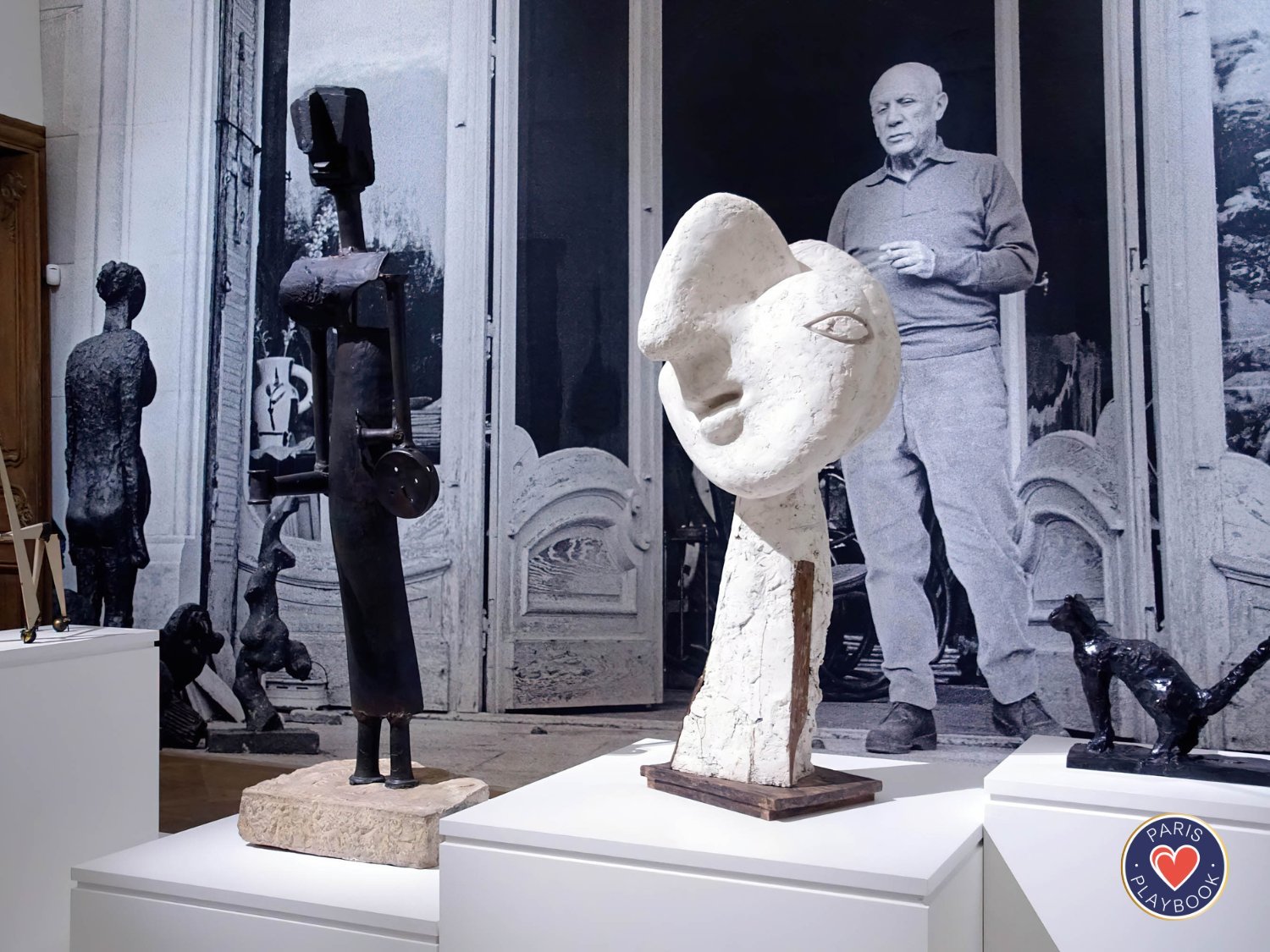
The Marais just got a bit more interesting. The Musée Picasso-Paris dropped some big news on its 40th birthday: a €50 million expansion that includes the world’s first free open-air Picasso sculpture park.
What’s Actually Happening
The museum is launching “Picasso 2030″—a renovation that manages to sound both ambitious and somewhat ominous. Starting in 2028, they will merge the museum’s existing garden with the adjacent Square Léonor-Fini to create a 2,300-square-meter sculpture park. That’s roughly the size of two Olympic swimming pools, for those who think in aquatic dimensions.
The kicker? It’ll be completely free and open to the public—no museum ticket required.
The Sculpture Lineup
About a dozen bronze sculptures will live in this new space, including The She-Goat, Picasso’s 1950 life-sized bronze that currently sits inside the museum.
For context: New York and Chicago already have Picasso sculptures in public spaces. Paris, despite being where Picasso spent World War II and maintained a workshop for decades, somehow doesn’t. Museum president Cécile Debray calls it “the first open-air museum” dedicated entirely to the artist.
What Else is Changing
The garden isn’t the only move. The museum is adding a new wing dedicated to temporary exhibitions, essentially doubling that space. They’re also planning a café-restaurant, bookshop, and educational areas.
The whole operation gets a childhood stamp of approval from Paloma Picasso, who told AFP the project is “full of life—like my father”. She shared a memory about The She-Goat: when she was six or seven, an actual live goat spent a summer with the family on the Côte d’Azur, sleeping upstairs. Picasso, being Picasso, tied it to his bronze model, which apparently everyone found hilarious.
The “Why Now” Angle
Museum president Debray has been pushing this for two years, finally convincing the City of Paris (which owns the building and garden), the French state (guardian of the collection), and the Picasso heirs to sign off.
Her reasoning? “The building is magnificent and extremely well-maintained. However, over time, I have noticed its limitations since all visitor traffic constantly intersects. The museum was designed in the 1980s as a jewel box, not a living space”.
Fair point. The museum holds over 5,000 works and 200,000 archival pieces—the world’s largest collection of Picasso’s works. It attracted 482,000 visitors in 2024. That’s a lot of foot traffic for a 17th-century mansion.
The Money Question
The entire €50 million project will be self-funded through corporate sponsorship and support from the Picasso family. No taxpayer money involved, which in Paris cultural circles is basically a flex.
Timeline and Logistics
Work begins in 2028 and continues through 2030, with the museum remaining open throughout. How they’ll pull off major construction without closing is anyone’s guess, but the renovation industry in Paris has had plenty of practice keeping things running during chaos (looking at you, Notre-Dame).
The sculpture garden is slated for a 2030 opening.
What This Means for the Marais
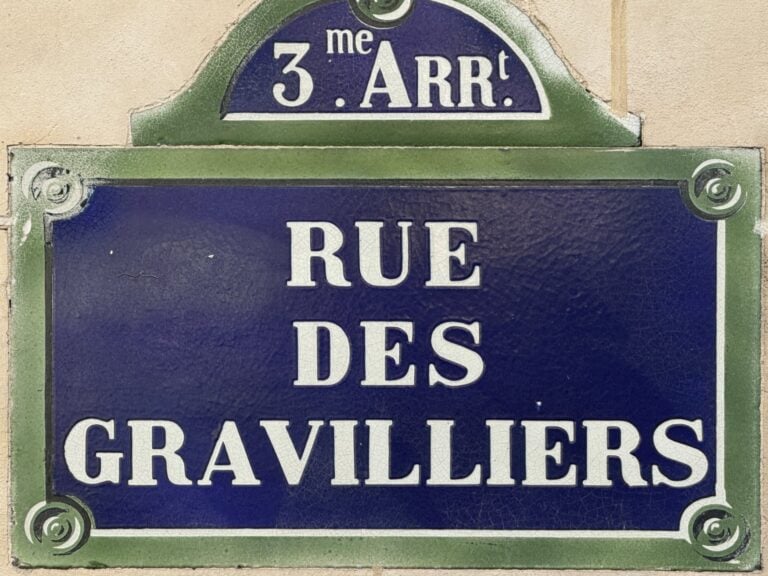
The Musée Picasso sits on Rue de Thorigny in the 3rd arrondissement, already one of Paris’s most tourist-heavy areas. Adding a free outdoor sculpture park will likely pack even more people into those narrow Marais streets.
On the other hand, free things to do in Paris in a neighborhood where a coffee costs €5? That’s progress.
The Bigger Picture
Paris museums are on a renovation spree. The Musée d’Orsay has just finished major work. The Louvre is perpetually under some form of construction. Now Picasso joins the club.
This will be Paris’s first dedicated Picasso installation in public space, despite the artist’s deep connection to the city. That’s a gap worth filling, even if it took 52 years after his death to make it happen.
For anyone planning Paris trips in the next few years: bookmark 2030. A free sculpture garden in the Marais, featuring actual Picasso bronzes you can walk around without paying €16 admission? That’s the kind of cultural access Paris should have been offering all along.
The museum clearly agrees. Now they just have to build it.