Paris Metro Etiquette: Unspoken Rules Locals Follow
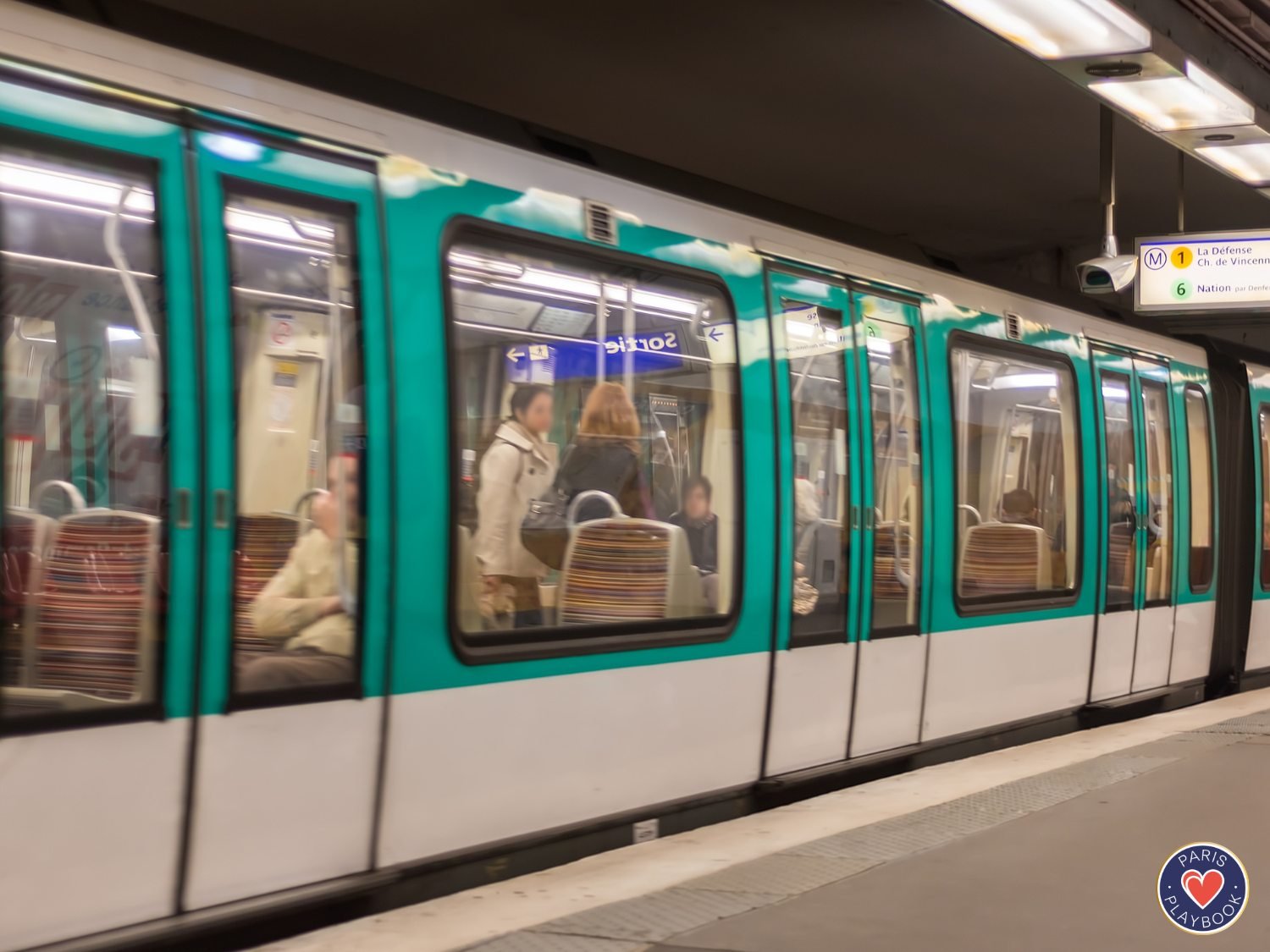
Picture this: You step onto Line 1 at Châtelet during Tuesday morning rush hour. The doors slide shut behind you. Within seconds, you realize everyone’s shooting you looks that could melt steel.
What did you do wrong? You followed perfectly logical tourist behavior. Stand by the door for easy exit, keep your massive backpack on, and maybe play some music to pass the time. The problem is, you just broke about five cardinal rules of Metro culture.
After five years riding these rails daily, I’ve cracked the code. Let me save you from those withering Parisian stares.
The Strapontin Situation: Those Tiny Fold-Down Seats
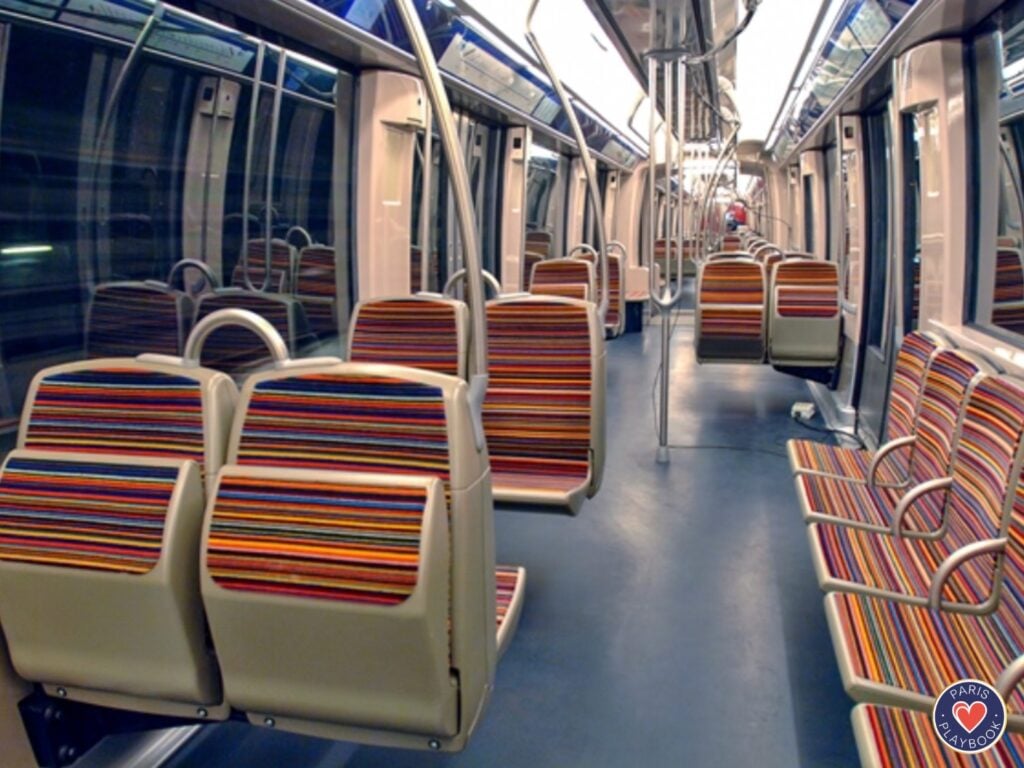
Those little flip-down seats by the doors? They’re called strapontins. Cute name, serious rules.
During rush hour (7:30-9:30 AM and 5:00-7:30 PM), sitting on these is like hogging a parking spot. The moment the car fills up, you’d better pop up faster than champagne at midnight.
I learned this the hard way my second week here. Planted myself on a strapontin during evening rush, completely oblivious. The dirty looks escalated to passive-aggressive sighs, then outright French tutting.
The rule: If people are standing shoulder-to-shoulder, those seats disappear. You become part of the standing crowd. No exceptions.
Pro tip: Outside rush hour, strapontins are fair game. Just stay alert to when things get crowded.
The Backpack Ballet
Your backpack transforms into a battering ram the second you enter a crowded Metro car. I’ve witnessed tourists unknowingly clotheslining half a train car trying to turn around.
Take it off. Hold it between your legs or at your side. This isn’t about politeness—it’s physics. In a space where personal bubbles don’t exist, your bag creates problems for everyone.
Plus, backpack-wearing tourists scream “pickpocket target” to every opportunist in a five-meter radius. Keep your bag where you can see it.
Let Them Exit (Or Face the Wrath)
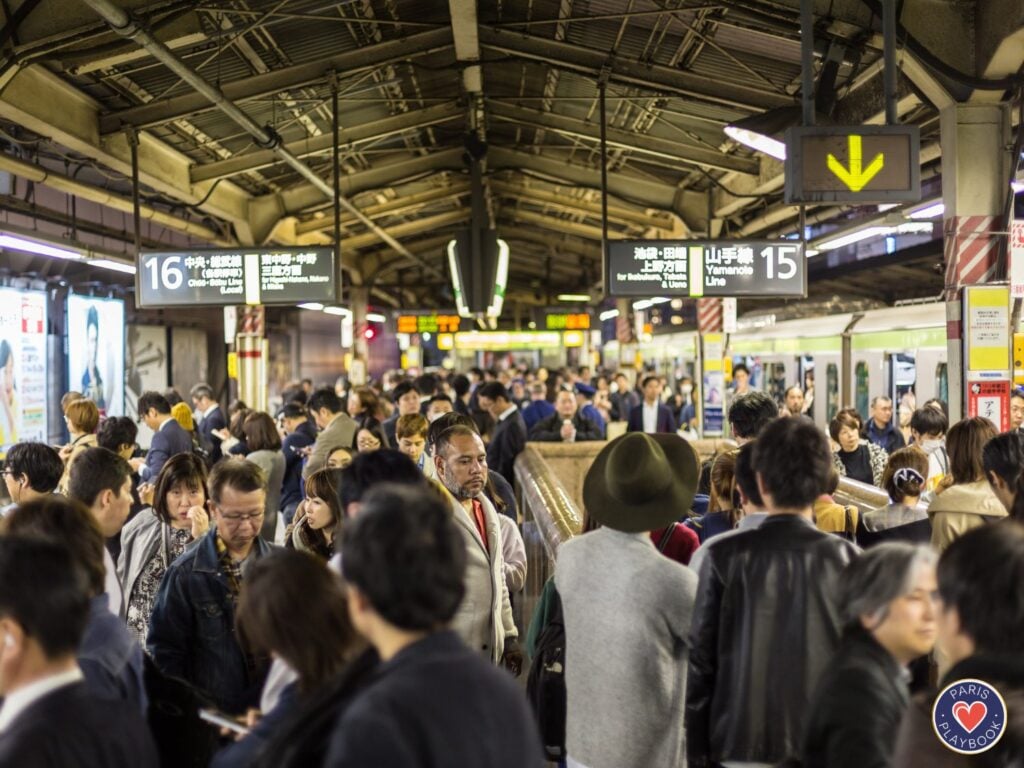
This one seems obvious until you’re actually standing there as doors open. The natural instinct? Push forward to claim your spot.
Wrong move, my friend.
Stand to the sides of the doors. Let everyone off first. Then board through the center. It’s like a dance everyone knows except tourists.
I’ve seen Parisians physically block people who try to board before others exit. They’re not being mean—they’re maintaining flow. During rush hour, this system keeps 2.5 million daily riders on the move. Break it, and everything grinds to a halt.
The Art of “Pardon”
In Paris Metro crowds, “pardon” becomes your Swiss Army knife word. Need to squeeze past someone? “Pardon.” Accidentally bumped shoulders? “Pardon.” Trying to reach the doors? “Pardon, pardon.”
It’s not just politeness—it’s practical communication. People expect it and respond to it. Skip saying pardon when you’re pushing through, and you’ll get treated like you’re being deliberately rude.
What not to say: “Excusez-moi” works too, but “pardon” flows better in tight spaces. It doesn’t require a response, just acknowledgment.
Move to the Center (Yes, Really)
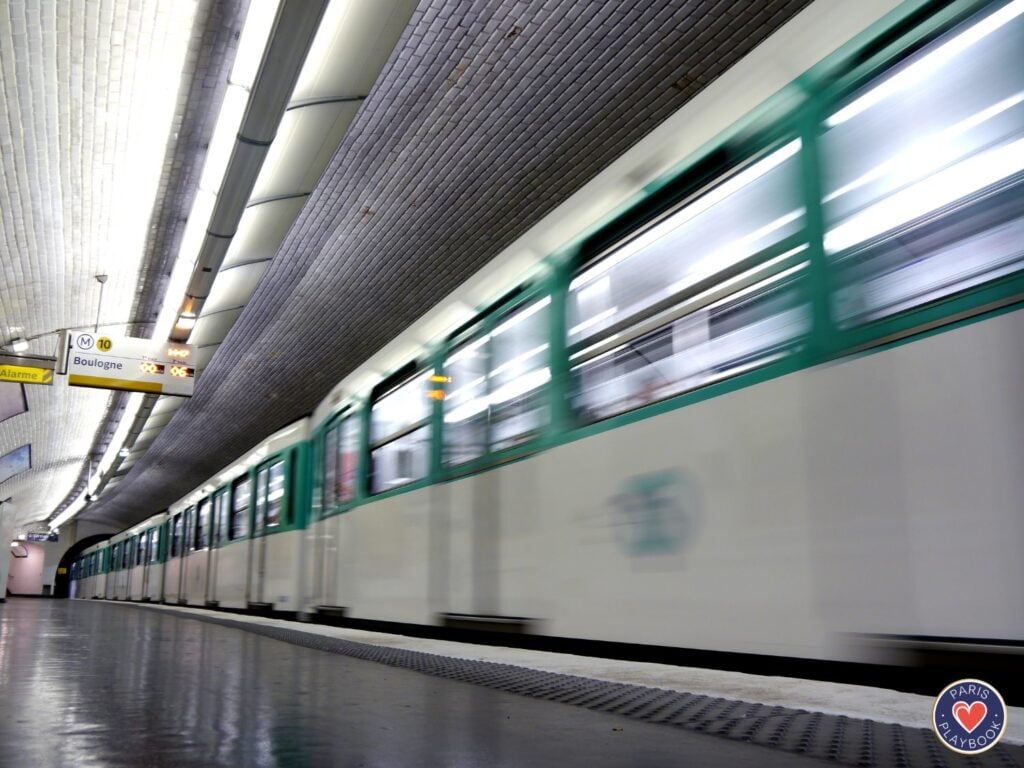
Tourists love clustering by doors like moths to light. Meanwhile, the center of cars sits half-empty while people get squished near exits.
Move inward. Trust me on this one. You’re not going to miss your stop, and you’ll actually have more space to breathe.
I spent months watching this phenomenon before understanding: people fear getting trapped. But doors open at every stop. You have time to push through when your destination arrives.
Rush Hour Reality Check
Between 7:30-9:30 AM and 5:00-7:30 PM, Metro etiquette becomes more intense. What passes for acceptable behavior at 2 PM will earn you glares at 8 AM.
During peak times:
- Move faster on escalators (or stand right, walk left)
- Don’t unfold maps or fumble with phones in doorways
- Step fully into cars instead of hanging by entrances
- Give up any seat to elderly, pregnant, or disabled passengers immediately
Rush hour isn’t the time for tourists to leisurely explore. It’s commuter survival mode.
The Escalator Highway
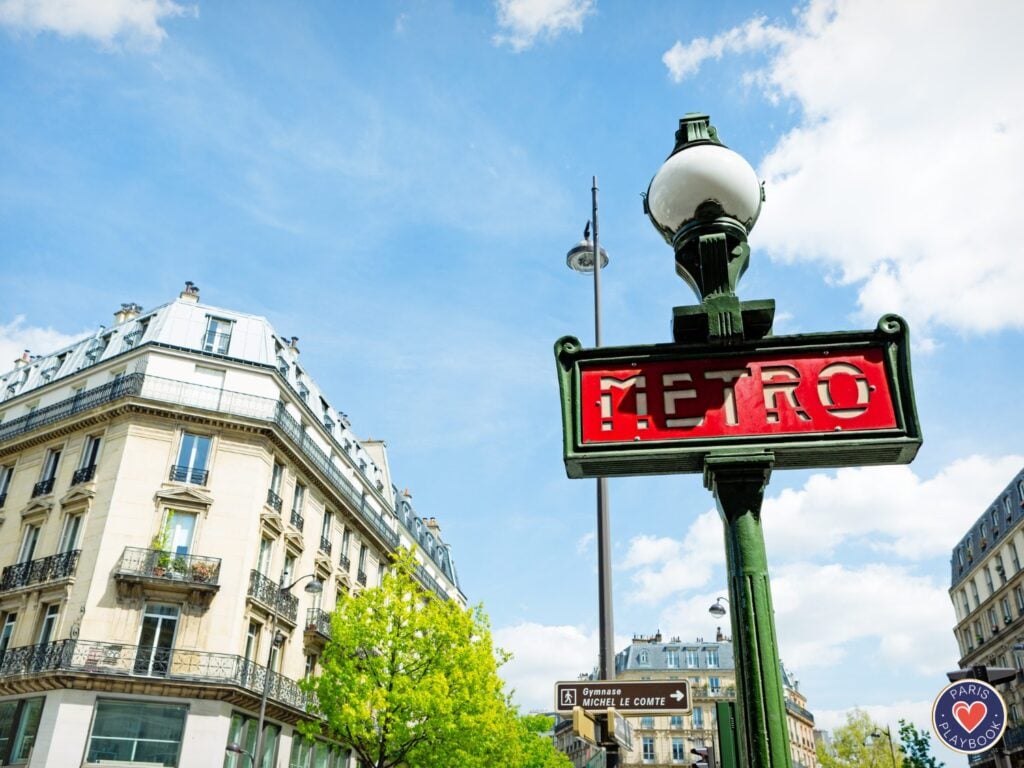
Stand right, walk left. This rule applies to escalators, moving walkways, and station corridors.
Parisians walking left aren’t just in a hurry—they’re following traffic patterns developed over decades. Block the left side, and you’re essentially throwing up a roadblock during the early morning Paris commute.
I’ve seen tourists get shoulder-checked for standing left on escalators. Don’t take it personally. You’re disrupting the flow.
Volume Control: The Unspoken Sound Rules
Americans (and yes, I was guilty of this) talk LOUD. What feels like normal conversation volume at home registers as shouting in Metro cars.
Keep conversations to library levels. Phone calls should be whispered or avoided entirely. Playing music without headphones? That’s asking for confrontation.
The Metro hum creates natural background noise. Work with it, don’t fight against it.
Priority Seating Protocol
Those seats near doors marked for pregnant women, elderly, and disabled passengers aren’t suggestions—they’re sacred territory.
Even if you don’t see anyone who needs them, avoid camping out in priority seats during busy periods. A pregnant woman shouldn’t have to ask you to move. Anticipate and offer.
I’ve watched teenagers immediately stand up for elderly passengers without being asked. It’s automatic behavior here.
Door Opening Etiquette
On older Metro lines, you might need to open doors manually. There’s a button or latch handle. But here’s the key: wait until the train completely stops before opening them.
Opening doors prematurely isn’t just rude—it can be dangerous. Station platform edges aren’t always perfectly aligned with doors.
Ticket Vigilance
Keep your ticket or Navigo card until you’re entirely out of the Metro system. Ticket inspectors (“contrôleurs”) appear randomly, often at exits.
No ticket when checked? You’ll pay a hefty fine—currently around 60 euros. “I threw it away” isn’t an excuse that works.
Lost Tourist Survival Guide
Getting lost happens. When asking for help, lead with the essential information: “Ligne 1 – La Défense, c’est par là?” (Line 1 to La Défense, is it this way?)
Start with your destination, then add politeness. People appreciate directness when they’re rushing to work.
Don’t take it personally if the first person ignores you. They might genuinely be in a sprint to catch their connection.
The Unspoken Solidarity
Despite all these rules, Parisians help each other constantly on the Metro. Parents with strollers get assistance down stairs. People give directions. Seats get offered.
The key is understanding that efficiency and consideration go hand in hand. Follow the flow, respect the space, and you’ll find Parisians surprisingly helpful.
Making It Work for You
Start by observing before acting. Watch how locals board, where they stand, how they move through crowds. Copy what works.
Download Citymapper app—it’s GPS for Paris transit, showing you exactly which car to board for fastest exits at your destination.
Travel outside rush hours when possible. The 10 AM to 4 PM window offers a completely different (more relaxed) Metro experience.
Most importantly, cut yourself some slack. Every Parisian was once new to this system. The difference is they learned by watching, not by standing out.
Follow these guidelines, and within a week, you’ll blend seamlessly into the Metro flow. Who knows? You might even catch yourself giving a tourist the same look you once received—a knowing smile that says, “Welcome to Paris. Here’s how we do this.”
Plus, if you’re carrying large luggage on the Paris metro, you’ll want to make sure you’re not breaking any rules, which can result in a fine.